The Strict Alcohol Law Tourists Need To Know Before A Vacation To The Maldives
Many travelers head to the Maldives for tropical relaxation. However, they must heed its strict alcohol laws to avoid turning their dream trip into a nightmare.
Read More
Many travelers head to the Maldives for tropical relaxation. However, they must heed its strict alcohol laws to avoid turning their dream trip into a nightmare.
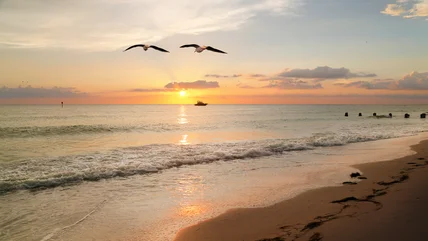
Read MoreThere are plenty of things you should know before visiting Florida's best beaches, but this is one tip that is definitely not just for the birds.
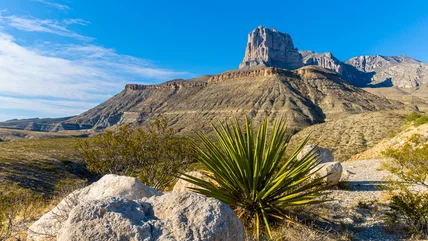
Read MoreEscape the crowds at this underrated US destination, perfect for those who love hiking, camping, and wildlife spotting in a unique environment.
Read MorePlanning can go a long way toward ensuring your safety while traveling, even when facing bad weather in the air, on the road, or at your destination.
Read MoreThere are plenty of things you should know before visiting Florida's best beaches, but this is one tip that is definitely not just for the birds.
Read MoreEscape the crowds at this underrated US destination, perfect for those who love hiking, camping, and wildlife spotting in a unique environment.
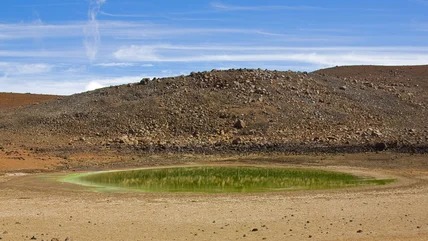
Read MoreHere's what you need to know about embarking on an intrepid adventure in Hawaii, where you'll climb to the highest alpine lake in the United States.
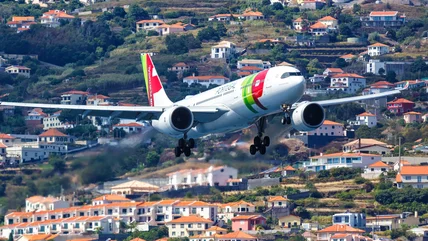
Read MoreMadeira is a destination worthy of your bucket list, but getting there isn't as easy as you might think. Here's why flying to this island can be a bit risky.
Read MoreTraveling with pets presents a unique set of challenges. Make the process easier by benefiting from expert Samantha Brown's years of experience.
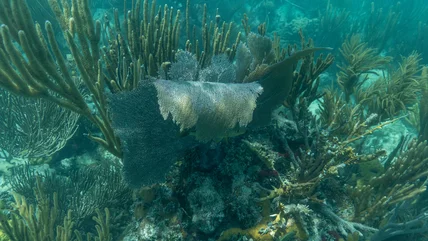
Read MoreSnorkeling is one of the easiest ways to appreciate marine life, but it's not as simple as jumping into the ocean. Here's an expert's take on where to start.
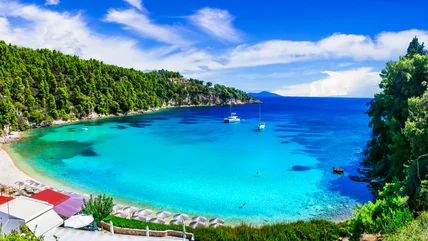
Read MoreSome of Greece's most popular destinations are beautiful but overcrowded. Fortunately, there's one island in particular that is short on crowds and big on fun.
Read MoreYou don't have to wait for Earth Day to support sustainability. Practice eco-conscious tourism at one of North America's nature-friendly hotels year-round.
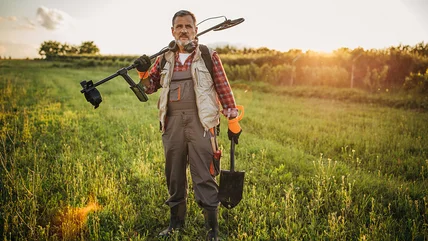
Read MoreMetal detecting can be fun, exciting, and mysterious. But there are important things to know before you start digging up the ground, especially legally.
Read MoreIf you’re a water lover, you can’t miss this national park in Florida that 95% underwater! Dive in and explore shipwrecks, coral reefs, and mangrove forests.
Read MoreWindow or aisle? Front, back, or middle? We all have our preferred seat on a plane. Samantha Brown has an easy tip to make sure you get the seat you want.
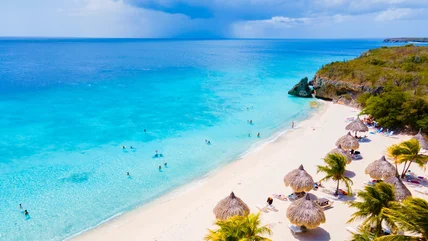
Read MoreTravelers who visit the Caribbean can seek out a number of experiences spanning nature, culture, and food that they won't find anywhere else in the world.
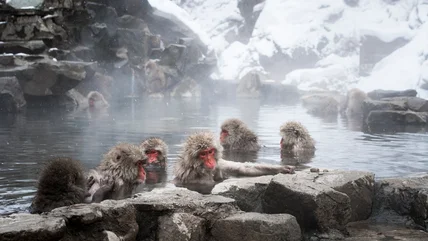
Read MoreFrom rich culture to amazing food, there are many reasons to visit Japan, but soaking in hot springs with monkeys is a truly unique experience.
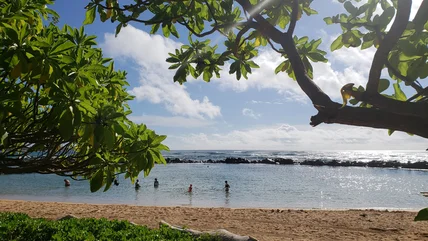
Read MoreThis park in Kauai, Hawaii, is made for snorkeling. Distinct pools create calm ocean waters that allow you (and especially kids) to swim with schools of fish.
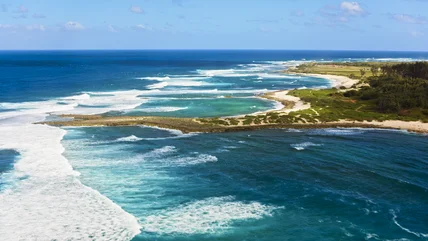
Read MoreOahu offers visitors a wealth of beautiful scenery. For some of the most unforgettable views and nature encounters, head to this strip of coastline.
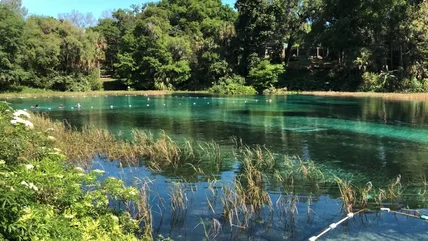
Read MoreFlorida offers many tropical perks without the hassle of passports, and this state park is a fantastic place for warm water fun amid beautiful surroundings.
Read MoreJust because a hotel room is cleaned daily, it doesn't mean that it's free of bacteria and germs. These specific spots could probably use more attention.
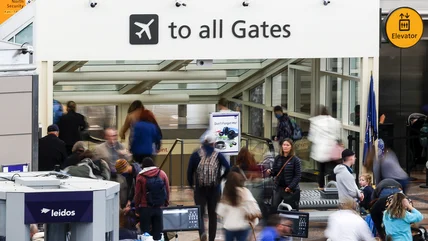
Read MoreSome airports are busy and some have fantastic dining options, but one U.S. city's now-infamous airport has launched a long string of conspiracy theories.
Read MoreFrom their stunning views to unique designs, these hotel pools offer guests unforgettable experiences that make it difficult to leave the water.
Read MoreWhile snorkeling is indeed accessible and can often be enjoyed safely even by non-swimmers, it is not without its dangers -- even in shallow water.
Read MoreThis Hawaiian island remains relatively untouched by tourism. It offers stunning nature and rich learning opportunities for those who respect the local culture.
Read MoreFlorida is home to some of the world's most popular tourist attractions, but these ones in particular hold a sad truth that many visitors should be aware of.
Read MoreUsing an airplane bathroom will never be pleasant, but you can make it less unpleasant and potentially reduce your chances of getting sick with this item.
Read MoreWhen it comes to traveling in Europe, timing is everything. Get the most out of your trip to these must-see countries with advice from Rick Steves.
Read MoreVisitors seeking a relaxing outing with the kids should consider avoiding this Hawaiian beach, which poses a threat even to the most experienced swimmers.
Read MoreDon't let these under-the-radar Florida state parks pass you by. There's a wealth of unique biomes waiting to be discovered in the Sunshine State.
Read MoreYou don't have to visit Fiji or the Maldives for the most beautiful water spots in the world when there's a special one tucked away in the northeast U.S.
Read MoreNo one enjoys getting bumped from a flight. However, a payout from the airline could take some of the sting out of the experience. Here's how to qualify.
Read MoreVisitors will not lack options in this beloved Florida beach town. You'll find plenty of nature, arts, culture, excellent food, and well-rated accommodations.
Read More